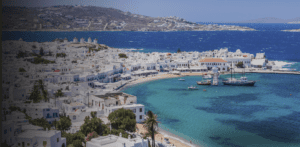
Known as the original jet-set destination of the Cyclades, Mykonos continues to strike a balance between high-end elegance and authentic Greek tradition. While it is globally recognised for its cosmopolitan flair, the island possesses a rugged, natural beauty and a historical depth that extends far beyond its reputation as a premier nightlife hub.
The Labyrinth of Chora
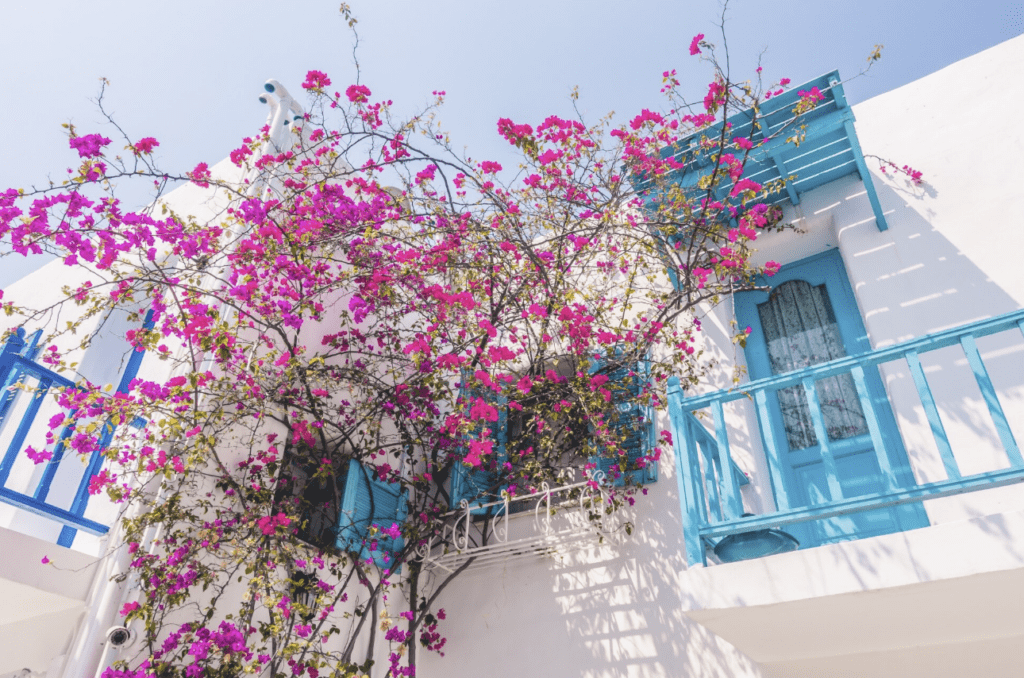
The island’s capital, Chora, is a masterclass in Cycladic architecture. Unlike many Aegean towns built on hillsides, Chora sits on a coastal plain. Its layout is a deliberate maze of narrow, whitewashed alleys, originally designed to disorient raiding pirates. Today, these streets are home to upscale boutiques and traditional homes adorned with vibrant bougainvillaea.
Key landmarks within the capital include:
– Little Venice (Alefkandra): A district where 18th-century captains’ houses sit directly at the water’s edge. Their wooden balconies overhanging the sea provide one of the most sought-after vantage points for the sunset.
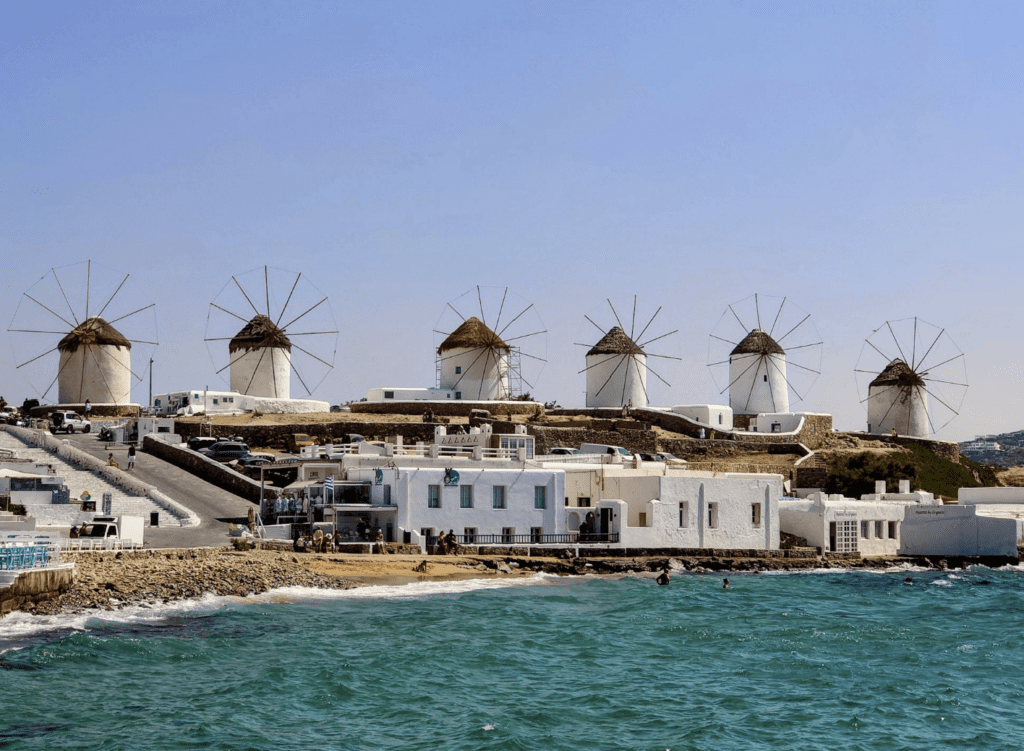
– The Windmills (Kato Myli): Positioned on a ridge overlooking the harbour, these iconic structures once harnessed the powerful Meltemi winds to grind local wheat.
– Panagia Paraportiani: Situated in the Kastro district, this asymmetric, whitewashed complex is actually five separate churches joined together, representing a unique feat of vernacular architecture.
From Mythology to Modern Symbols
The island’s history is steeped in legend. In Greek mythology, Mykonos was formed from the petrified bodies of giants defeated by Hercules. It takes its name from the hero Mykonos, a descendant of the King of Delos.
In a more contemporary turn, the island’s mascot is Petros the Pelican. The original bird arrived on the island in the 1950s and became a local fixture. Today, his successors can frequently be seen wandering near the harbour, maintaining a tradition that has spanned decades.
Beyond the Coast: Ano Mera
For those seeking a more subdued pace, the village of Ano Mera in the island’s interior offers a glimpse into local life. Centred around a quiet square lined with traditional tavernas, the village is home to the Panagia Tourliani Monastery. This historic site is noted for its intricate marble bell tower and a grand carved wooden iconostasis, showcasing the island’s religious craftsmanship.
A Shoreline of Contrasts
The coastline of Mykonos offers a variety of experiences, ranging from high-energy social scenes to quiet, natural retreats.
For those seeking a social and vibrant atmosphere, Paradise and Super Paradise remain the primary destinations for music and socialising. Alternatively, the exclusive and luxury setting of Psarou is the preferred meeting point for international celebrities and those arriving by luxury yacht.
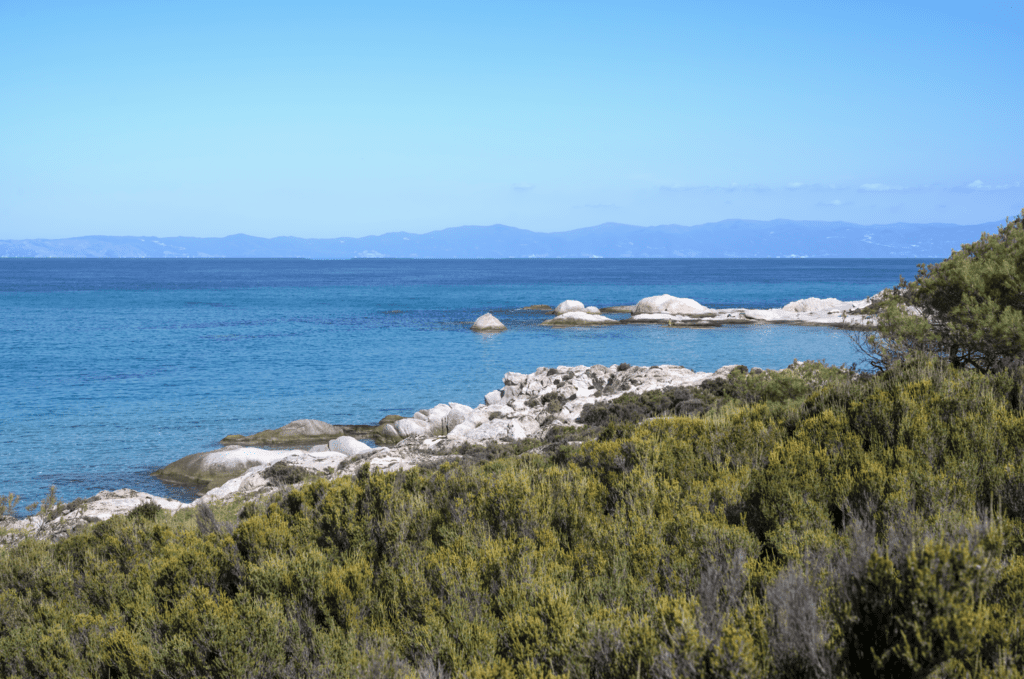
For visitors interested in a quiet and unspoilt environment, the beaches of Agios Sostis and Kapari offer a raw landscape. These areas remain free of music and commercial sun loungers, catering to those who prefer the island’s natural state.
The Sacred Island of Delos
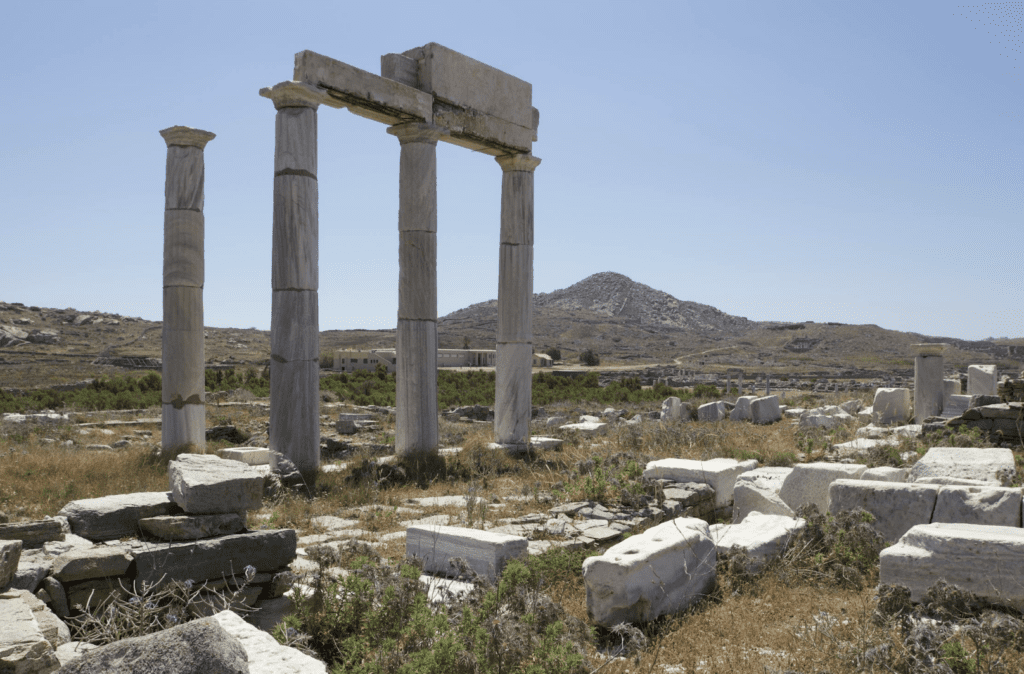
A twenty-minute boat journey from the harbour takes visitors to Delos, one of Greece’s most significant archaeological sites. As the mythical birthplace of Apollo and Artemis, this uninhabited island was once a major religious and commercial centre of the ancient world. A visit to its ruins provides a quiet, timeless counterpoint to the contemporary energy of Mykonos.